The Allure of Kilimanjaro
Climbing Mount Kilimanjaro is one of the world’s most iconic adventures, a journey that draws people from all walks of life to Tanzania in pursuit of the thrill, challenge, and beauty of standing on the “Roof of Africa.” Rising 5,895 meters (19,341 feet) above sea level, Kilimanjaro is the tallest mountain on the continent and the highest free-standing mountain in the world, dominating the northern Tanzanian skyline with its snow-capped summit. The mountain’s presence is magnetic — a lone giant surrounded by sweeping savannahs, lush forests, and rural villages where life moves at a gentler pace. It’s not just a climb; it’s an immersion into diverse ecosystems and cultures. While the climb is considered non-technical — meaning no ropes, crampons, or specialized mountaineering skills are required — it still demands preparation, determination, and the right approach. Many first-time trekkers underestimate it, thinking it’s simply a long hike, but the combination of altitude, unpredictable weather, and physical endurance requirements can challenge even the fittest hikers. A successful ascent isn’t about racing to the top but about moving with intention, respecting the mountain, and balancing preparation with patience. The climb is as much about self-discovery as it is about conquering a peak.
Choosing the Right Route
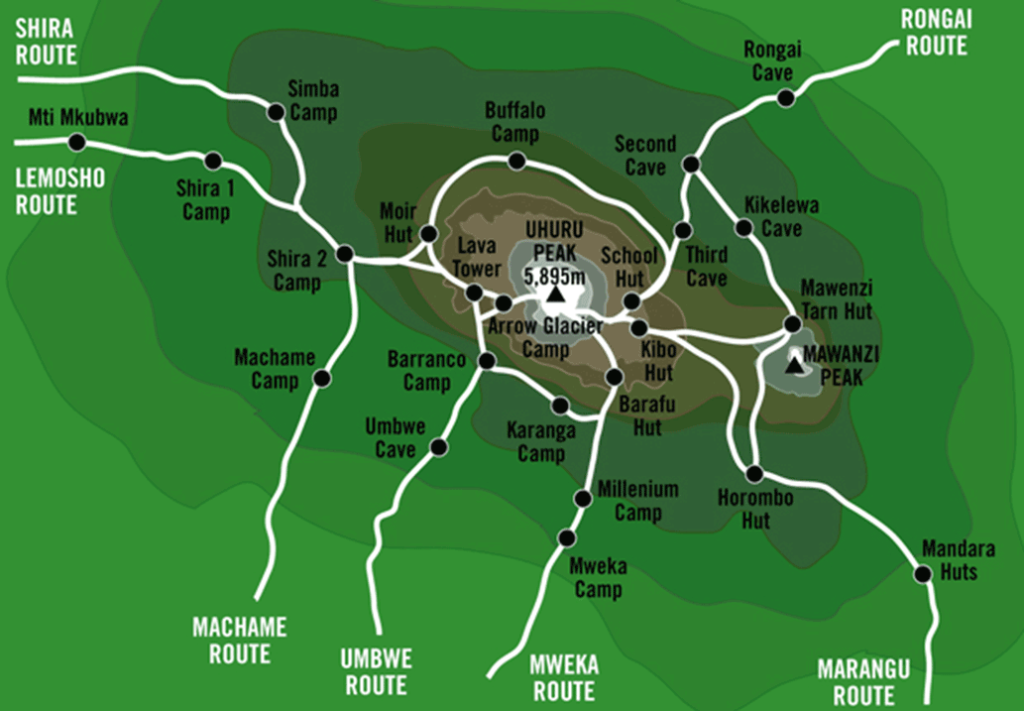
Your journey to the summit begins long before your boots hit the trail, and one of the first decisions you’ll make is selecting the route. Each of Kilimanjaro’s official routes offers a different blend of scenery, acclimatization opportunities, and difficulty. The Marangu Route, famously called the “Coca-Cola Route,” is the only path with hut accommodations, making it appealing to those who prefer not to camp, though its shorter duration gives less time for acclimatization and lowers summit success rates. The Machame Route, known as the “Whiskey Route,” is more physically demanding but rewards climbers with stunning scenery, from rainforest to alpine desert, over seven days or more. The Rongai Route approaches from the north, near the Kenyan border, offering a drier and quieter experience — ideal for those avoiding the busier southern slopes. The Lemosho Route is often hailed as the most scenic and gradual, with panoramic views and one of the highest success rates thanks to its longer acclimatization profile. For those with extra time, the Northern Circuit is the longest, most remote, and least crowded option, circling the mountain before ascending to the summit. In general, routes of at least seven to eight days are recommended, as extra time allows your body to adapt to the altitude, dramatically improving your chances of reaching Uhuru Peak.
Training and Physical Preparation
Physical preparation is your next major step toward success. While Kilimanjaro does not demand technical climbing, the trek involves sustained effort over multiple days, with long hours on your feet and significant elevation gain. The ideal training program starts at least three to six months before your climb and focuses on building cardiovascular endurance, leg strength, and hiking stamina. Activities such as long-distance walking, trail running, cycling, and swimming improve overall fitness, while exercises like squats, lunges, and step-ups strengthen the muscles used most during the climb. Hiking on uneven terrain and up hills with a weighted pack will prepare you for the actual demands of the trek. Aim to simulate the daily distance and elevation gain you’ll face on the mountain to help your body adapt. Mental preparation also begins during training; testing your limits in training hikes helps you develop resilience and confidence, both of which will be invaluable on the mountain.
Understanding Altitude and Acclimatization
Altitude is the single greatest challenge on Kilimanjaro, and it is an equal-opportunity adversary — affecting seasoned mountaineers and first-time hikers alike. At high elevations, the reduced oxygen levels make even moderate exertion feel harder, and your body needs time to adjust. Acute Mountain Sickness (AMS) can appear as early as 2,500 meters and is most commonly felt as headaches, nausea, dizziness, or trouble sleeping. Severe cases can progress to life-threatening conditions like High Altitude Pulmonary Edema (HAPE) or High Altitude Cerebral Edema (HACE). The best strategy for prevention is a slow ascent and allowing time for your body to acclimatize. This is why experienced guides repeat the mantra “Pole, pole” — Swahili for “slowly, slowly” — to encourage a deliberate, measured pace. Hydration plays a key role, as dehydration can mimic or worsen AMS symptoms. Drinking three to four liters of water per day, combined with a balanced diet, keeps your system functioning well. Some trekkers find it helpful to take a pre-climb acclimatization trek, such as climbing Mount Meru, which offers the added benefit of incredible views and wildlife encounters while preparing your body for the altitude you’ll face on Kilimanjaro.
Packing the Right Gear
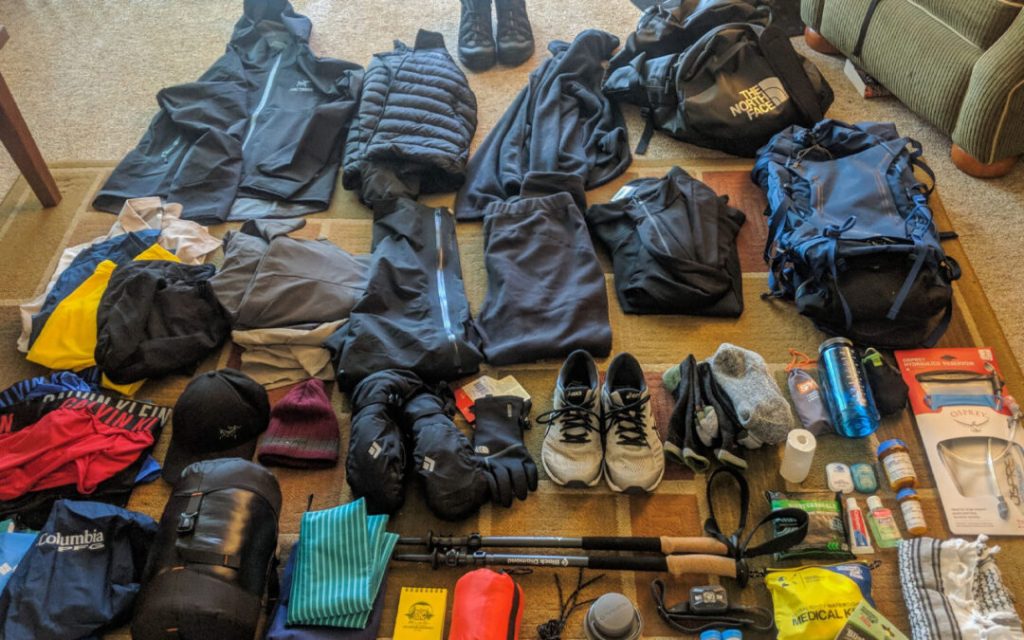
Packing well can be the difference between comfort and misery on the mountain. Kilimanjaro’s climate zones range from humid rainforest at the base to the icy summit, meaning you must be prepared for a wide range of temperatures and conditions. A layering system is essential: moisture-wicking base layers keep sweat off your skin, insulating mid-layers like fleece or down trap heat, and waterproof outer shells protect against wind and rain. Proper footwear is non-negotiable — invest in high-quality, broken-in trekking boots with ankle support. A warm sleeping bag rated to at least -10°C (14°F) ensures restful nights, and trekking poles help reduce strain on your knees, especially during the descent. Other important items include a headlamp for early morning or night hiking, sunglasses to protect against snow glare, high-SPF sunscreen, a hat for sun protection, warm gloves, and a hydration system. While some gear can be rented locally, bringing your own ensures comfort, familiarity, and fit. Don’t forget small luxuries like wet wipes, a journal, or a camera — these little comforts can lift your spirits during the trek.
Selecting a Reputable Tour Operator
Because Tanzanian law requires all climbers to be accompanied by licensed guides, choosing the right tour operator is critical to your success and safety. A reputable company provides experienced guides trained in first aid and altitude illness recognition, maintains a strong safety record, and treats porters ethically. Porters are the backbone of any Kilimanjaro expedition, carrying tents, food, and gear up the mountain, often in challenging conditions. Organizations like the Kilimanjaro Porters Assistance Project (KPAP) ensure porters receive fair wages, adequate food, and proper equipment. When researching operators, look for companies that support these initiatives, as ethical treatment not only improves the experience for the crew but also contributes to smoother logistics and a more positive atmosphere on your climb. Reading reviews, asking about guide-to-client ratios, and confirming the inclusion of safety equipment like oxygen and medical kits will help you make an informed choice.
Building Mental Resilience
Kilimanjaro is as much a mental challenge as it is a physical one. Days can be long, weather can shift suddenly, and fatigue can creep in unexpectedly. The mental game becomes especially important on summit night, when you’ll begin your final push to Uhuru Peak around midnight, hiking slowly in the dark and cold for hours before sunrise. The thin air makes each step an effort, and the temptation to turn back can be strong. This is where mindset matters most. Breaking the climb into smaller goals — the next ridge, the next rest stop — makes the challenge feel more manageable. Positive self-talk, remembering why you started, and focusing on the present moment can help you push through discomfort. And while reaching the summit is the goal, it’s important to remember that the journey itself offers countless rewards: the camaraderie of your team, the changing landscapes, and the personal growth that comes from challenging yourself.
Nutrition and Hydration on the Mountain
Your body burns thousands of calories each day on the climb, and fueling it properly is essential for sustained energy. Most operators provide hearty meals featuring a mix of local and international dishes — think porridge, soups, rice, vegetables, and meats. Carbohydrates are especially important at altitude because they provide quick, efficient energy. Since appetite can decrease at higher elevations, bringing along personal snacks like energy bars, nuts, or dried fruit ensures you have something appealing when your body needs fuel. Hydration is equally important; the dry mountain air increases fluid loss, and you should aim to drink regularly throughout the day. Adding electrolyte powders or rehydration salts to your water can help maintain balance, particularly if you’re sweating heavily or experiencing mild AMS symptoms. Avoid alcohol and limit caffeine, as both can contribute to dehydration and disrupt sleep — two things you can’t afford when facing a multi-day climb.
Timing Your Climb
While Kilimanjaro can technically be climbed year-round, timing your ascent for optimal conditions can greatly enhance your experience. The most favorable seasons are from late December to early March and from late June to October, when the weather is generally dry, skies are clearer, and trails are more stable. These months tend to attract more climbers, so popular routes may be busier. The short rainy season in November and the long rainy season from April to mid-June bring wet, muddy trails and cloudier views, but they also mean fewer people on the mountain — a trade-off some trekkers appreciate. Weather on Kilimanjaro can be unpredictable at any time of year, so packing for a variety of conditions is essential regardless of when you climb.
The Reward of the Summit
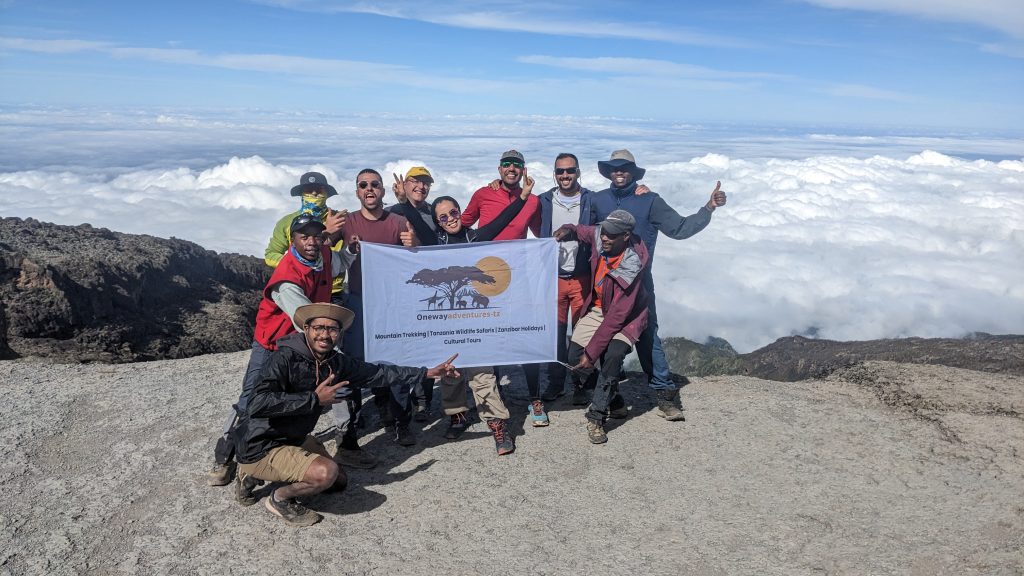
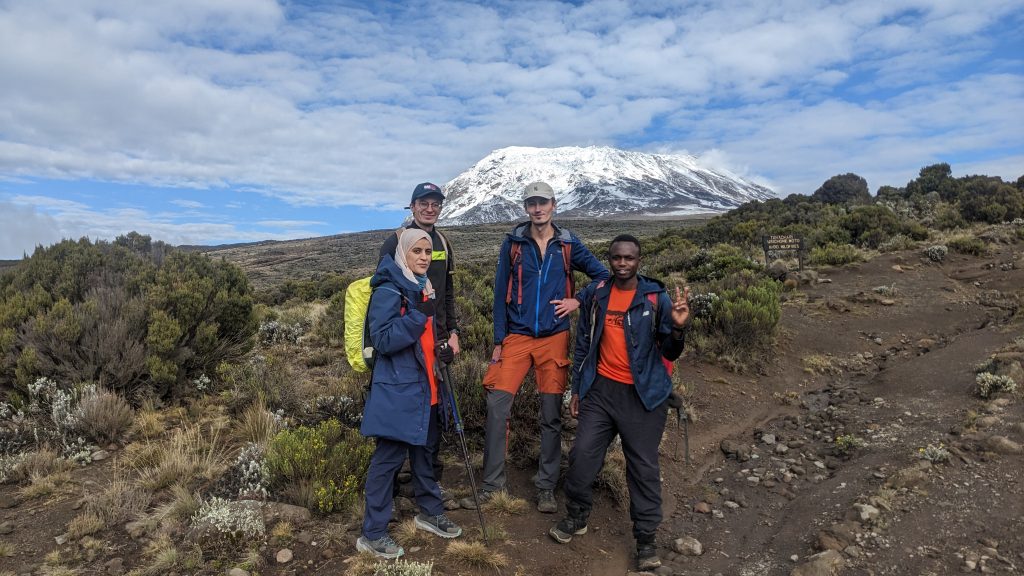
Reaching Uhuru Peak is an unforgettable achievement. As you step onto the summit, the sun often rises over the horizon, casting golden light across the glaciers and the vast African plains below. The moment is one of pure exhilaration, relief, and pride — the culmination of months of preparation, days of effort, and countless small victories along the way. But even for those who don’t reach the top, Kilimanjaro offers something invaluable: the opportunity to challenge yourself, connect with nature, and experience one of the most beautiful and diverse landscapes on Earth. Whether you stand at Uhuru Peak or turn back earlier, the climb leaves an indelible mark on your spirit and a story worth telling for the rest of your life.
Based in Moshi, we know Tanzania inside out and support local communities.
Every tour is personalized to match your style, budget, and goals.
Certified, experienced, and passionate about your safety and experience.
We pay fair wages and give back to community projects.
Quick, honest communication from start to finish.
Quality gear, daily health checks, and emergency backup always included.
Copyright © 2025 One Way Adventures | Designed by skynetsolution