
When planning for a Mount Kilimanjaro hike, it’s essential to dress appropriately to ensure your comfort and safety in varying weather conditions.
Layering on the mount Kilimanjaro
Layering properly is crucial when climbing Mount Kilimanjaro to ensure comfort, protection, and adaptability to changing weather conditions. The mountain’s altitude and diverse climate zones require careful consideration of clothing layers. Here is a general guideline for layering when climbing Mount Kilimanjaro:
Base Layer: Start with a moisture-wicking base layer next to your skin. This layer should be lightweight, breathable, and capable of wicking sweat away from your body. Synthetic materials like polyester or merino wool are ideal for this purpose.
Mid-Layer: Over the base layer, add a mid-layer for insulation. This layer should provide warmth and retain heat while still allowing moisture to escape. A lightweight fleece or down jacket works well in this layer.
Outer Layer: The outer layer acts as a protective barrier against wind, rain, and snow. A waterproof and breathable jacket and pants made with Gore-Tex or similar materials are recommended. Look for garments with good ventilation options like pit zips, so you can regulate your body temperature.
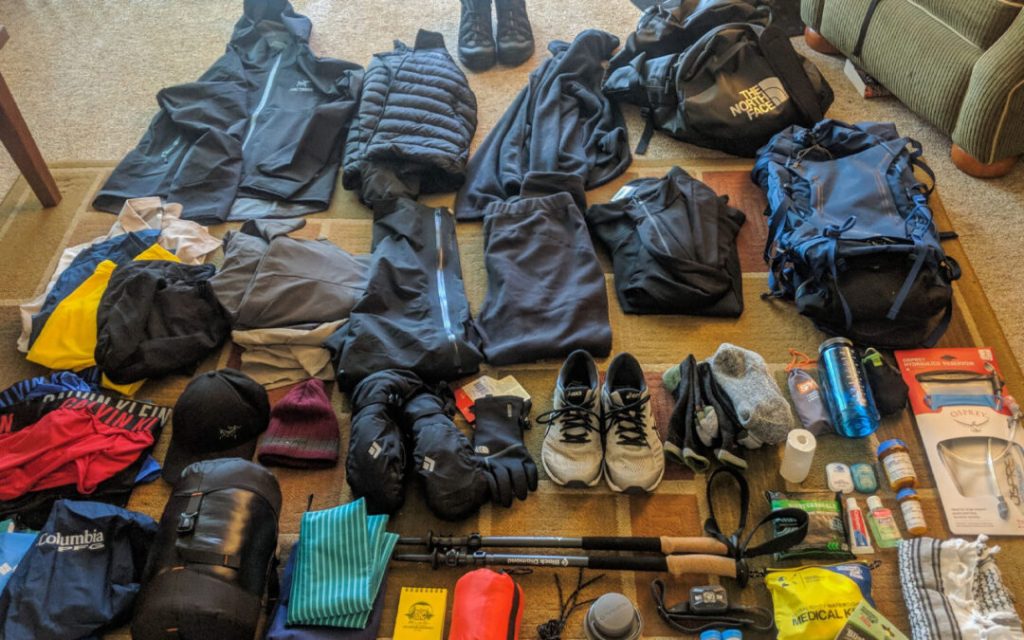
Base layer Clothes on Kilimanjaro
Baselayer Tops:
Synthetic or merino wool long-sleeved shirt: Choose a moisture-wicking fabric that dries quickly and helps regulate body temperature. Merino wool provides excellent insulation even when wet. Avoid cotton shirts as they retain moisture and can make you feel cold.
Baselayer Bottoms:
Synthetic or merino wool long underwear or leggings: Opt for lightweight, breathable, and moisture-wicking materials to keep your legs warm and dry.
Again, avoid cotton as it retains moisture and can make you feel chilly.
Socks:
Liner socks: Wear thin synthetic or wool liner socks to wick away moisture from your feet and minimize friction.
Hiking socks: Over the liner socks, wear thicker, cushioned hiking socks made of wool or synthetic materials for added warmth and protection.
Undergarments:
Choose moisture-wicking undergarments made of synthetic materials to keep you dry and comfortable throughout the hike.
Remember, layering is key for regulating body temperature. Depending on the specific time of year and route you choose, the temperature on Mount Kilimanjaro can vary significantly. Therefore, it’s crucial to have additional clothing layers such as insulating mid-layers and outer shells to accommodate changing weather conditions.
Mid Layer Clothes on Kilimanjaro
Fleece Jacket:
A good-quality, lightweight fleece jacket provides excellent insulation and helps to trap heat close to your body. It is ideal for moderate to cold temperatures. Consider a fleece jacket with a full zipper so you can easily adjust ventilation as needed.
Insulated Jacket:
As you ascend to higher altitudes, the temperatures drop significantly. An insulated jacket, such as a down or synthetic insulated jacket, provides superior warmth and helps retain heat. Look for one that is lightweight, compressible, and has good insulation properties.
Mid-weight Base Layers:
Wearing mid-weight base layers made of moisture-wicking fabric is important to manage perspiration and keep you dry. Opt for long-sleeve shirts and pants designed for cold-weather activities. Merino wool is an excellent choice as it offers insulation, breathability, and odor resistance.
Softshell Pants:
A pair of softshell pants can be worn over your base layer to provide additional warmth and protection against wind and light precipitation. Softshell pants are made of stretchy, breathable, and water-resistant fabric, making them suitable for various weather conditions.
Fleece or Wool Hat:
A warm hat is essential to prevent heat loss from your head. Choose a fleece or wool hat that covers your ears to provide extra insulation in cold weather.
Gloves:
Invest in a pair of insulated gloves or mittens to protect your hands from freezing temperatures. Look for gloves that are designed for cold weather, waterproof, and provide good dexterity for handling equipment.
Neck Gaiter or Buff:
A neck gaiter or buff serves multiple purposes. It can be worn as a neck warmer, face mask, or headband, providing extra warmth and protecting your face from wind and cold.
Remember to layer your clothing appropriately, adjusting as needed to regulate your body temperature. It’s better to have multiple thin layers that can be easily added or removed rather than a few thick layers. This allows for better temperature control and comfort throughout your climb. Additionally, ensure that your clothing is moisture-wicking and breathable to manage sweat effectively.
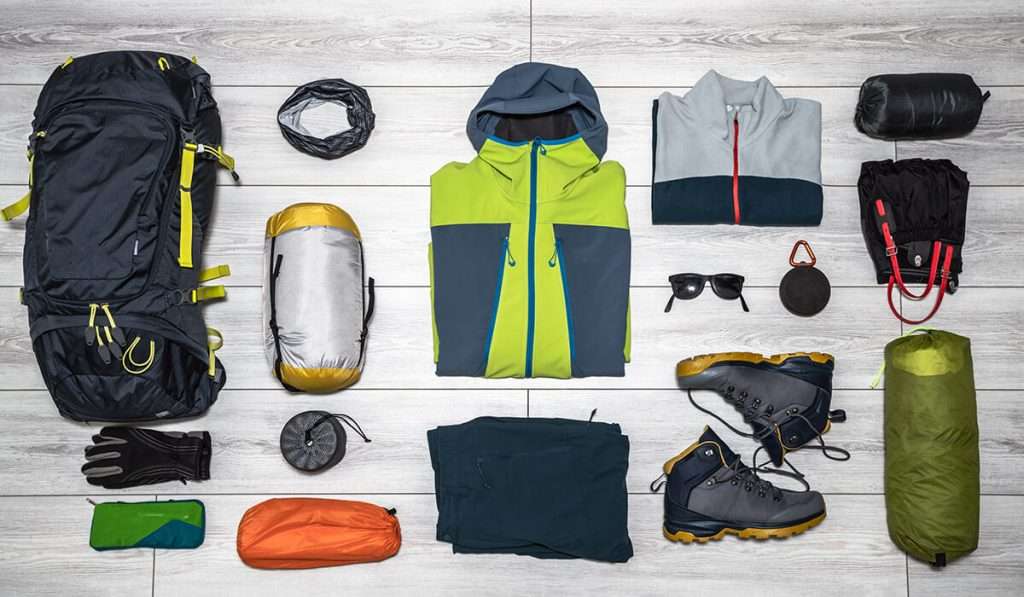
Outer layer Clothes on Kilimanjaro
When hiking Mount Kilimanjaro, it’s important to dress appropriately for the varying weather conditions and extreme temperatures. The outer layer of clothing you choose should protect you from wind, rain, and cold temperatures. Here’s a suggested list of outer layer clothing for hiking Mount Kilimanjaro:
Waterproof/Windproof Jacket:
Look for a jacket that is both waterproof and windproof to protect you from rain, snow, and strong winds. It should have a hood and adjustable cuffs to seal out the elements.
Insulated Down Jacket:
An insulated down jacket is essential for keeping you warm during colder parts of the climb, especially at higher altitudes. Look for one that is lightweight, compressible, and has a high fill power for maximum warmth.
Waterproof Pants:
Choose waterproof pants that are breathable and have full-length side zippers. These pants will keep you dry and protect against wind while allowing ventilation when needed.
Insulated Gloves and Hat:
Don’t forget to bring warm, insulated gloves and a hat to protect your extremities from the cold. Look for gloves that are touchscreen compatible so you can operate your devices without removing them.
Headwear for Kilimanjaro Hiking
When hiking Mount Kilimanjaro, it is important to wear appropriate headgear to protect yourself from the elements and ensure your safety. Here are some recommendations for headwear during your climb:
Wide-brimmed Hat:
A wide-brimmed hat provides protection from the sun and helps shield your face, neck, and ears from direct sunlight. It also helps to prevent sunburn and reduces the risk of heatstroke.
Beanie or Warm Hat:
As you ascend Kilimanjaro, the temperatures drop significantly, especially at higher altitudes. It is crucial to keep your head warm to avoid heat loss. A beanie or warm hat made of insulating materials like wool or fleece is essential for colder sections of the climb.
Buff or Neck Gaiter:
A buff or neck gaiter is a versatile accessory that can be used as a headband, scarf, or face mask. It provides extra warmth and protection against wind, dust, and cold temperatures.
Sunglasses:
Protecting your eyes from the sun’s glare is essential during your Kilimanjaro hike. Choose sunglasses with UV protection and polarized lenses to reduce glare and enhance visibility.
Headlamp:
You will likely start your summit ascent to Uhuru Peak in the early hours of the morning when it’s still dark. A reliable headlamp with extra batteries is crucial for providing illumination on the trail and ensuring your safety.
Footwear for Kilimanjaro Hiking
When it comes to footwear gear for hiking Mount Kilimanjaro, it’s crucial to choose the right shoes to ensure comfort, stability, and protection in the challenging terrain and varying weather conditions. Here are some recommendations for footwear:
Hiking Boots:
Invest in a pair of sturdy, waterproof hiking boots with ankle support. Look for boots specifically designed for long and challenging hikes. Ensure they are well broken-in before your Kilimanjaro trek to avoid blisters.
Socks:
Choose moisture-wicking and cushioned hiking socks to keep your feet dry and comfortable. Consider wearing a thin liner sock underneath for added protection against friction.
Gaiters:
Gaiters are essential for keeping debris, dust, and snow out of your boots. They also provide an extra layer of protection against wet conditions.
Camp Shoes/Sandals:
While not necessary for the actual hike, it’s recommended to bring a pair of lightweight camp shoes or sandals to give your feet a break in the evenings at camp. Choose comfortable options that are easy to slip on and off.
Kilimanjaro Sleeping Gears
When preparing to climb Mount Kilimanjaro, it’s crucial to have appropriate sleeping gear to ensure a comfortable and restful experience during your expedition. Here are some essential items you should consider bringing:
Sleeping Bag:
Choose a high-quality, lightweight sleeping bag that is rated for cold temperatures. Kilimanjaro’s summit can get extremely cold, so opt for a bag rated for sub-zero temperatures. Down-filled sleeping bags are typically warmer but may lose insulation when wet, while synthetic-filled bags are more water-resistant.
Sleeping Pad:
A sleeping pad provides insulation and cushioning between you and the ground. Look for a pad that is lightweight, compact, and provides good insulation. Inflatable pads or closed-cell foam pads are popular choices.
Sleeping Bag Liner:
A liner can add extra warmth to your sleeping bag and keep it clean. Silk or thermal liners are lightweight options that provide additional insulation and comfort.
Pillow:
Though not essential, a small inflatable pillow or compressible pillow can enhance your sleeping comfort. Some climbers prefer to use a stuff sack filled with clothes as a makeshift pillow.
Headlamp:
A headlamp is essential for navigating at night, including trips to the bathroom or getting up early for summit day. Ensure it has fresh batteries and spare ones too.
Warm Clothing:
Pack warm clothing to wear while sleeping, such as thermal base layers, thick socks, a beanie, and gloves. Layering is crucial, as it allows you to adjust your clothing according to the temperature.
Dry Bag:
Consider bringing a dry bag to keep your sleeping bag and other gear dry in case of rain or unexpected water exposure.
Remember, Kilimanjaro’s weather conditions can vary, and temperatures can drop significantly, especially at higher altitudes. It’s important to research the current weather patterns and seek advice from experienced climbers or tour operators to ensure you have the appropriate gear for your specific climb.
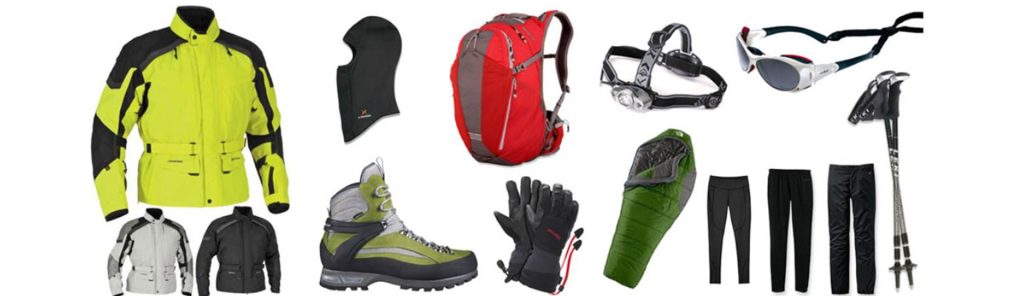
When hiking Mount Kilimanjaro, it’s important to dress appropriately for the varying weather conditions and extreme temperatures. The outer layer of clothing you choose should protect you from wind, rain, and cold temperatures. Here’s a suggested list of outer layer clothing for hiking Mount Kilimanjaro:
Waterproof/Windproof Jacket:
Look for a jacket that is both waterproof and windproof to protect you from rain, snow, and strong winds. It should have a hood and adjustable cuffs to seal out the elements.
Insulated Down Jacket:
An insulated down jacket is essential for keeping you warm during colder parts of the climb, especially at higher altitudes. Look for one that is lightweight, compressible, and has a high fill power for maximum warmth.
Waterproof Pants:
Choose waterproof pants that are breathable and have full-length side zippers. These pants will keep you dry and protect against wind while allowing ventilation when needed.
Insulated Gloves and Hat:
Don’t forget to bring warm, insulated gloves and a hat to protect your extremities from the cold. Look for gloves that are touchscreen compatible so you can operate your devices without removing them.
Headwear for Kilimanjaro Hiking
When hiking Mount Kilimanjaro, it is important to wear appropriate headgear to protect yourself from the elements and ensure your safety. Here are some recommendations for headwear during your climb:
Wide-brimmed Hat:
A wide-brimmed hat provides protection from the sun and helps shield your face, neck, and ears from direct sunlight. It also helps to prevent sunburn and reduces the risk of heatstroke.
Beanie or Warm Hat:
As you ascend Kilimanjaro, the temperatures drop significantly, especially at higher altitudes. It is crucial to keep your head warm to avoid heat loss. A beanie or warm hat made of insulating materials like wool or fleece is essential for colder sections of the climb.
Buff or Neck Gaiter:
A buff or neck gaiter is a versatile accessory that can be used as a headband, scarf, or face mask. It provides extra warmth and protection against wind, dust, and cold temperatures.
Sunglasses:
Protecting your eyes from the sun’s glare is essential during your Kilimanjaro hike. Choose sunglasses with UV protection and polarized lenses to reduce glare and enhance visibility.
Headlamp:
You will likely start your summit ascent to Uhuru Peak in the early hours of the morning when it’s still dark. A reliable headlamp with extra batteries is crucial for providing illumination on the trail and ensuring your safety.
Footwear for Kilimanjaro Hiking
When it comes to footwear gear for hiking Mount Kilimanjaro, it’s crucial to choose the right shoes to ensure comfort, stability, and protection in the challenging terrain and varying weather conditions. Here are some recommendations for footwear:
Hiking Boots:
Invest in a pair of sturdy, waterproof hiking boots with ankle support. Look for boots specifically designed for long and challenging hikes. Ensure they are well broken-in before your Kilimanjaro trek to avoid blisters.
Socks:
Choose moisture-wicking and cushioned hiking socks to keep your feet dry and comfortable. Consider wearing a thin liner sock underneath for added protection against friction.
Gaiters:
Gaiters are essential for keeping debris, dust, and snow out of your boots. They also provide an extra layer of protection against wet conditions.
Camp Shoes/Sandals:
While not necessary for the actual hike, it’s recommended to bring a pair of lightweight camp shoes or sandals to give your feet a break in the evenings at camp. Choose comfortable options that are easy to slip on and off.
Based in Moshi, we know Tanzania inside out and support local communities.
Every tour is personalized to match your style, budget, and goals.
Certified, experienced, and passionate about your safety and experience.
We pay fair wages and give back to community projects.
Quick, honest communication from start to finish.
Quality gear, daily health checks, and emergency backup always included.

Copyright © 2025 One Way Adventures | Designed by skynetsolution